
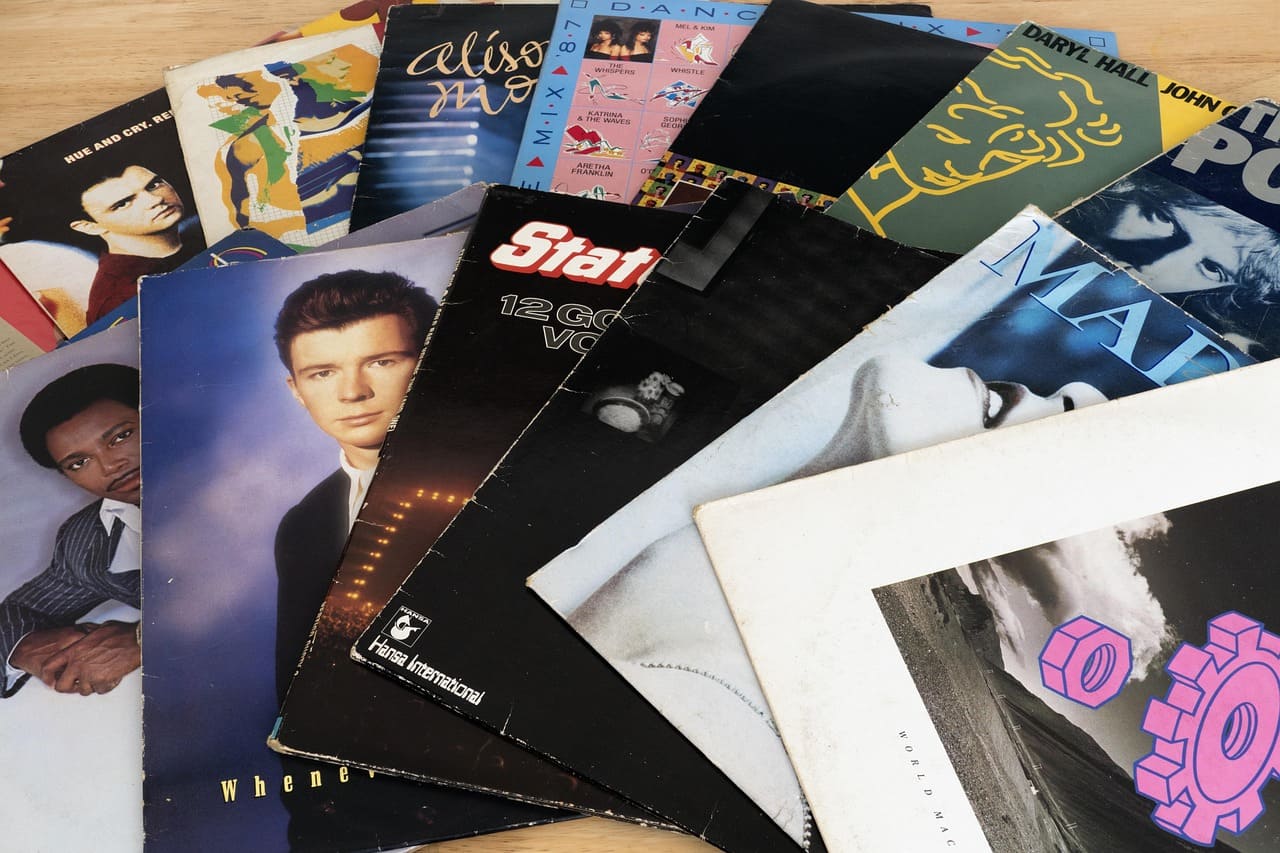
The 1980s were a thrilling, transformative period in music history, defined by vibrant creativity, bold fashion, and unforgettable sound. During this era, countless 80 bands rose to fame across rock, metal, pop, new wave, and experimental genres, each contributing to the decade’s unmistakable musical identity. Synth-driven melodies, soaring guitar solos, dramatic vocals, and high-energy rhythms shaped a cultural landscape that still influences audiences today. Many groups produced chart-topping 80s songs that continue to appear on retro playlists, movie soundtracks, and nostalgia-driven broadcasts. Whether fans preferred the polished shine of arena power ballads or the raw, rebellious spirit of underground rock scenes, the 1980s offered something for everyone. These bands didn’t just create popular music—they helped define a generation.
The Sound and Evolution of 80s Band Culture
The diversity of 80 music bands is one of the decade’s greatest strengths. The era saw an explosion of genres that appealed to different identities and moods. Clean production, powerful instruments, and evolving technology allowed artists to experiment with styles that were previously unimaginable.
Rock dominated the charts with massive riffs, emotional anthems, and unforgettable stage performances. Many 80’s rock and roll bands showcased dramatic guitar solos, intense vocals, leather-clad fashion, and pyrotechnic-filled concerts that turned live music into full theatrical productions. Stadiums packed with fans became iconic symbols of the decade’s larger-than-life energy. These bands were not only performers—they were trendsetters whose sound shaped mainstream radio for years.
New wave and synth-pop groups added a futuristic flair to the decade’s music scene. Their use of drum machines, synthesizers, and layered electronic textures created fresh, distinctive sounds that set them apart from traditional rock acts. These bands delivered vibrant and danceable hits that defined club culture and influenced future electronic genres.
On the heavier side, 80 metal bands pushed boundaries with louder, faster, and more intense music. They embraced aggressive guitar work, thundering drums, and powerful imagery. These bands cultivated dedicated fan bases drawn to their rebellious spirit and technical skill. Their influence paved the way for later subgenres like thrash, glam metal, and alternative metal.
Meanwhile, many 80’s rock groups blended multiple genres, incorporating pop hooks, powerful harmonies, and memorable choruses. This fusion of styles led to an array of top hits across radio stations and music video networks, offering something for every type of listener. The arrival of MTV amplified the reach of these groups by combining visual storytelling with musical performance, making bands instantly recognizable worldwide.
The Bands That Defined the Era
The 1980s produced an extraordinary roster of influential groups. Some 1980 band icons became household names, delivering hits that remain timeless classics. Their music videos, album covers, and tour aesthetics became cultural landmarks. Others gained cult followings in specific genres, influencing dedicated communities with their unique sound and message.
Rock groups delivered some of the decade’s most memorable power ballads, blending emotional depth with electrifying instrumentation. These songs showcased vulnerable lyrics before rising into explosive choruses—an essential hallmark of the 80s. Meanwhile, pop-rock groups filled charts with upbeat, melodic tracks featuring clean harmonies and relatable themes.
Metal bands contributed a darker, bolder tone, attracting fans with intricate musicianship and intense stage presence. New wave and synth-pop bands offered a more whimsical, colorful aesthetic, reflecting the playful spirit of the decade. Together, these genres painted a rich musical tapestry that remains instantly recognizable.
The blend of styles also reflects the emotional and cultural diversity of 80s audiences. Whether listeners sought rebellion, romance, escapism, or empowerment, the decade offered a band—and a soundtrack—to match. Their contributions helped shape the identity of the 80s songs that remain so deeply cherished today.
Cultural Impact and Enduring Legacy
The influence of 80 music bands extends far beyond the decade in which they thrived. Their contributions helped shape the evolution of rock, pop, metal, and electronic music for decades to come. Many modern artists draw inspiration from the bold melodies, innovative production, and theatrical performance styles that defined the era.
MTV played a crucial role in immortalizing these bands, using visuals to craft personas that became pop-culture icons. Music videos turned songs into cinematic experiences, amplifying the emotional connection between artists and audiences. Posters, fashion trends, and fan merchandise created a shared cultural identity recognizable across the globe.
Today, 80s music remains a staple of radio, streaming platforms, film soundtracks, and nostalgic celebrations. Tribute tours attract multi-generational crowds, proving that the decade’s music has not only endured but continues to thrive. Younger listeners often discover 80s bands through retro revivals, social media trends, and viral covers, carrying the legacy forward.
Conclusion
The 80 bands that emerged during this unforgettable decade created a musical universe unlike any other. Through innovation, creativity, and passionate performance, these artists shaped a timeless soundtrack that continues to inspire new generations. From the bold sound of 80 metal bands to the polished charisma of iconic 80’s rock and roll bands, their impact remains undeniable. The 1980s proved that music can be both experimental and accessible, emotional and electrifying. Their legacy is carved into the history of modern music, reminding us why the eighties remain one of the most celebrated eras of artistic expression.